


Impact Update
Fourth Quarter 2025
Defending Rights, Reducing Risk
In today’s interconnected world, investors can no longer ignore the social and environmental costs embedded in global supply chains. Decades of progress have shown that companies now recognize their responsibility for working conditions even when production is outsourced, yet significant human rights risks persist. Increasingly, investors are looking beyond risk identification to evaluate whether companies have effective systems to prevent, address, and remediate harm. This has brought new attention to grievance mechanisms and access to remedy—critical but still underdeveloped components of corporate human rights programs.
This quarter, we also focused on the investment relevance of human rights defenders, who often provide early warnings about environmental and social impacts that can escalate into operational disruptions or legal challenges. Companies with strong policies, anti‑retaliation safeguards, and meaningful engagement practices are better positioned to navigate these risks.
At the same time, innovations in worker compensation and safety nets show how systemic improvements can strengthen supply‑chain stability and long‑term value. Together, these trends highlight why credible human rights programs are not peripheral but foundational to resilient, responsible businesses and investment portfolios.
In this edition
Examining the Role of Grievance and Remedy in Business and Human Rights
Initiating Dialogue on Protections for Human Rights Defenders
Helping Provide a Compensation Safety Net for Garment Workers in Bangladesh
Keeping Affordability and Climate Risk on the Agenda at Fannie Mae
Taking Responsibility for Protecting the Rights of Human Rights Defenders
Fourth Quarter Engagement Overview
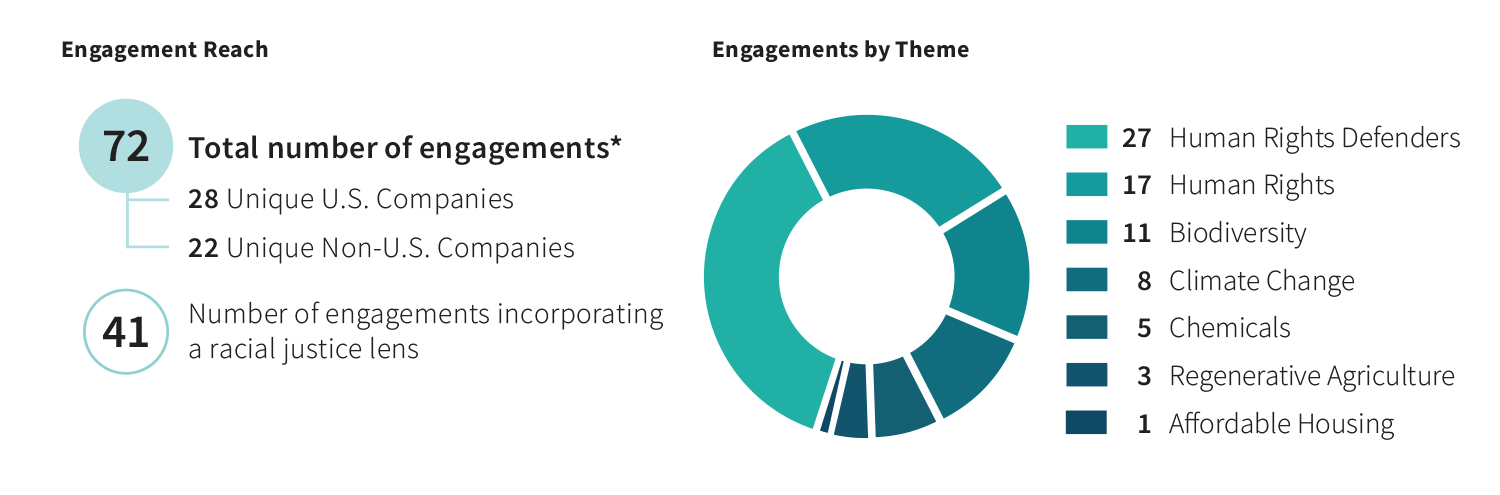
We meet with company executives to encourage stronger policies and practices on the issues that promote sustainability and can help their businesses succeed. In alignment with our Impact Investment Standards, we seek enhanced disclosures and more responsible business practices, and we aim to address emerging issues with companies. Through constructive dialogue, shareholder proposals, and proxy voting, we communicate our expectations to companies and promote universal values of fairness, equality, justice, and respect for human rights, while contributing to ecological sustainability and climate resilience. We do this work seeking positive impacts for people, planet, and profit. Read more at domini.com/engagement
*Includes engagements with non-corporate entities and multiple engagements with individual companies.
Examining the Role of Grievance and Remedy in Business and Human Rights
Guided by our Impact Investment Standards, we seek to invest in companies that support our goal of universal human dignity. However, we recognize that no company is perfect, and there will always be things that go wrong. That is why we have undertaken a multi-year engagement initiative focused on one of the lesser-developed areas of business and human rights: effective grievance mechanisms and access to remedy. By incorporating grievance and remedy approaches into their human rights policies and practices, companies can strengthen their risk management and reduce litigation and reputational risks. The information submitted by workers or community members through grievance channels can also serve as an early warning system to help prevent and mitigate harm. When harm does occur, the insights gained through grievance channels can help companies repair relationships with stakeholders. This makes grievance and remedy mechanisms a priority for both investors and businesses alike.
We began this initiative by consulting with NGOs, experts, and academics. Since it began, we have engaged with ten companies from around the world, including companies in the apparel, mining, technology, and food and beverage industries. Throughout these dialogues, we have sought to foster open conversations—even around controversies—and identify best practices. This quarter, as part of this initiative, we engaged with Chinese consumer electronics company Lenovo and American solar panel manufacturer First Solar, both of which have demonstrated good practices. Lenovo has an extensive grievance reporting system that was developed with meaningful input from employees, as well as an investigations process that provides anonymity and protection from retaliation for reporters. First Solar shared that it provided remedy to workers in its supply chain that it found had been forced to pay recruitment fees to secure a job and that it has put controls in place to help prevent similar incidents going forward.
Our engagements have highlighted the importance of “remedy readiness,” i.e., having clear policies, trained staff, and dedicated resources to address grievances and provide remedy when harm occurs. We have asked companies about their dedicated resources and governance over grievance mechanisms, how they evaluate remedy readiness, and how they design accessible, legitimate processes with rights-holder input. We have also explored how companies manage remedy and grievance reporting in their supply chains, monitor effectiveness, and ensure protection against retaliation.
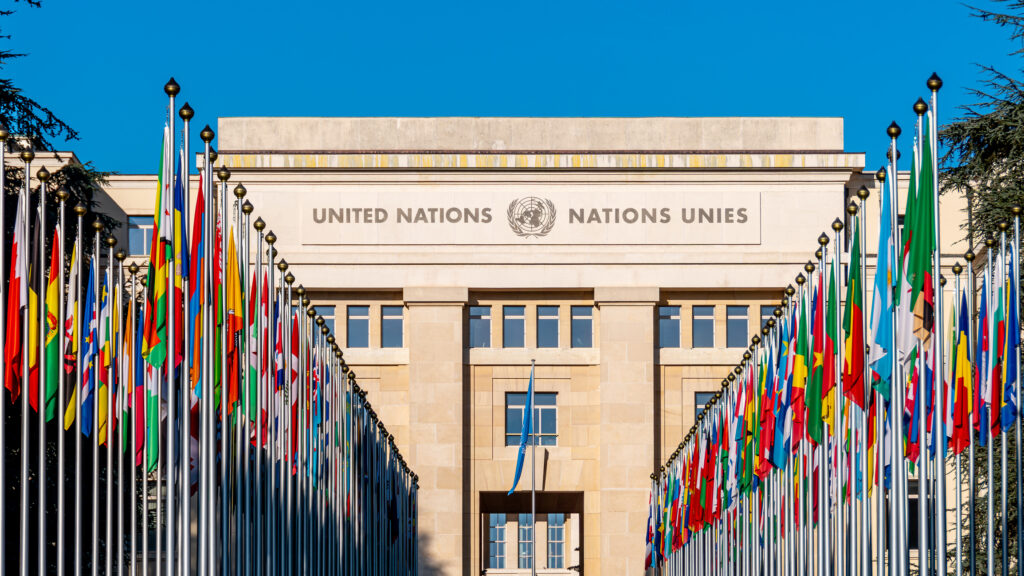
We also co-developed Investor Expectations on Grievance & Remedy: Key Insights and Recommendations, a resource that outlines eight key practices for remedy readiness, including governance, grievance design, transparency, independence, stakeholder engagement, supply chain responsibility, prioritization of vulnerable groups, and continuous learning. In November, our Director of Engagement, Mary Beth Gallagher, had the opportunity to present this work at the annual United Nations Forum on Business and Human Rights in Geneva. The resource and field-building efforts aim to provide practical examples, red flags to watch for, engagement questions to help focus conversations, and guidance for investors to support companies in respecting human rights.
Investment Highlight: Domini Impact Equity Fund & Domini Sustainable Solutions Fund
International Business Machines (IBM) provides integrated information technology solutions to public and corporate entities in areas of critical infrastructure. The company has long maintained corporate guidelines on human and environmental rights and was one of the founding members of the Responsible Business Alliance (RBA), which maintains the RBA Code of Conduct, a well-recognized code of social, environmental, and ethical industry standards. More recently, IBM adopted a policy statement to strengthen its commitments to protecting human and environmental rights in its supply chain in accordance with the German Act on Corporate Due Diligence in Supply Chains. The company has established formal grievance mechanisms through which employees, suppliers, contractors, community members, and other external parties can report human rights and environmental risks and violations resulting from IBM’s business activities, including covering both direct and indirect suppliers. When a complaint is submitted, it is promptly reviewed and investigated, maintaining confidentiality of the complainant, and if a violation has occurred, IBM immediately seeks to provide access to remedy, which in the case of suppliers, may include the development of action plans to end or minimize infringements, temporary suspension, of termination of business relationships.
Initiating Dialogue on Protections for Human Rights Defenders
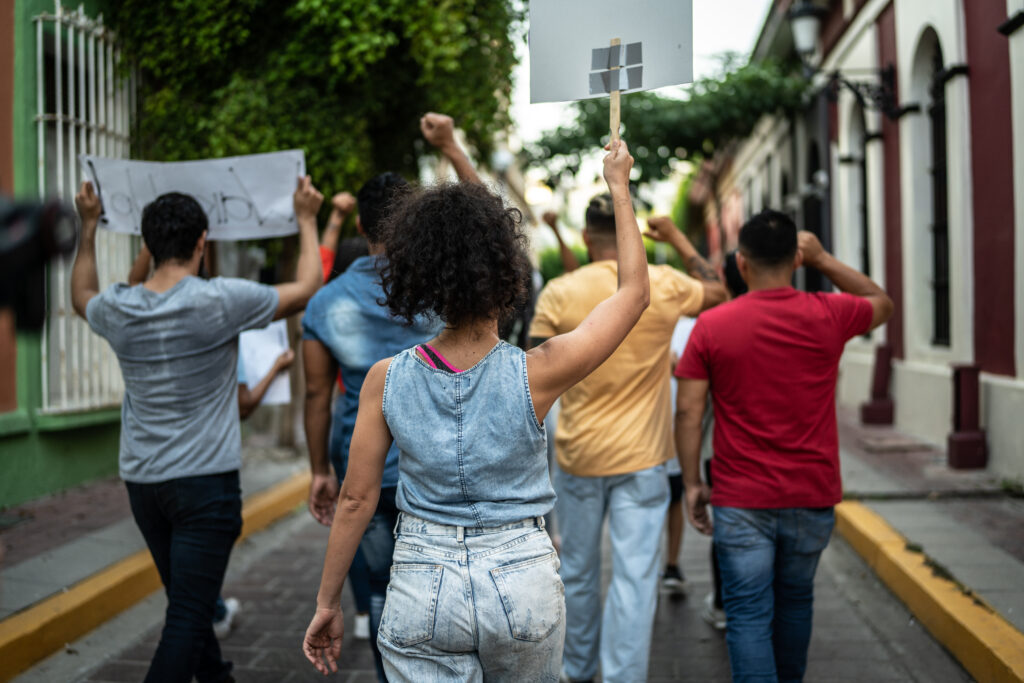
This quarter, we reached out to 23 companies to initiate dialogue on how they are protecting human rights defenders—individuals who raise concerns about business-related human rights impacts, often at great personal risk. From an investor perspective, failure to protect these individuals can create significant financial, operational, and reputational risks for companies. Human rights defenders are not adversaries; they are vital partners in responsible business. Their work helps companies identify emerging risks, safeguard the rights of workers and Indigenous Peoples, prevent environmental harm, and protect nature. Constructive engagement with them can strengthen compliance, reduce conflict, and build trust—key factors for long-term resilience and value creation.
Our outreach included ten companies—including AT&T, Marriott International, and Target—that have had some attack on human rights defenders linked to their business over the past five years by the Business and Human Rights Resource Centre. All but two of the companies in this group do not yet have a policy commitment, so we are urging them to adopt a policy that explicitly commits to respecting human rights defenders and establishes zero tolerance for retaliation.
Policy adoption is a crucial first step, but most of the real work happens in the implementation stage. We also wrote to 13 companies—including Colgate-Palmolive, Kering, and Vestas Wind Systems—that have adopted policies on human rights defenders but have not fully disclosed how they are implementing them in practice. We asked them how they evaluate the risks that their businesses might pose to defenders, how they seek to prevent and mitigate attacks, whether they take a gender-sensitive approach, what channels they have to remediate harm when it occurs, and whether they actively support public policy that protects human rights defenders that are facing increasing threats globally.
Investment Highlight: Domini Impact International Equity Fund
Fortescue is an Australia-based metals and mining company specializing in iron ore operations. The company maintains a human rights policy rooted in respect and support for employees and communities impacted by its direct business activities and those throughout its supply chain. The policy encompasses commitments to health and safety, freedom of association, fair and living wages, access to grievance and remedy, community engagement, and respect for local and Indigenous communities, including the right to Free, Prior and Informed Consent (FPIC). It also includes a clear stance of “zero tolerance of threats, intimidation and attacks against human rights and environmental defenders.” To ensure accountability, Fortescue has a dedicated Sustainability Team, including a human rights specialist that is responsible for the day-to-day management and implementation of its human rights policy and approach. This team is supported by a Human Rights Steering Group that includes cross-functional business leaders and reports human rights matters to Fortescue’s board of directors through its executive Sustainability Committee.
Helping Provide a Compensation Safety Net for Garment Workers in Bangladesh
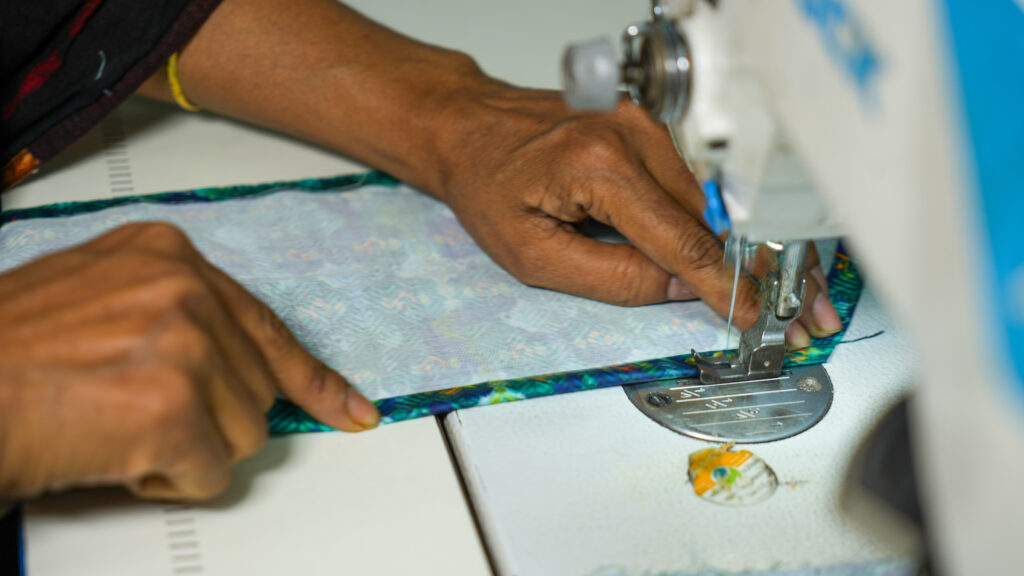
In Bangladesh, over four million garment workers producing clothes for global brands endure challenging working conditions and low wages. On top of that, they lack a government-sponsored workers’ compensation system, and there has historically been no social safety net for workers or their families when they are injured or killed on the job. In 2022, the International Labour Organization (ILO) and the Deutsche Gesellschaft für Internationale Zusammenarbeit—Germany’s main development agency—launched an “employment injury scheme” pilot program known as EIS Pilot to help fill this gap. Governed by a tripartite structure that includes government officials, employers’ organizations, and workers’ organizations, the program provides injured workers and their families with long-term compensation and rehabilitation services financed by international brands.
From an investor perspective, workers’ compensation is not only a human rights imperative—it also strengthens a company’s sourcing strategy. By reducing uncertainty, improving working conditions, and supporting worker retention, participation in the EIS Pilot helps safeguard supply chain resilience and brand reputation. It also demonstrates alignment with international human rights standards and collective responsibility among brands. We recently led an engagement with Zalando, a leading German online apparel retailer, to encourage participation in the EIS Pilot for ready-made garment workers in Bangladesh, which is a strategic sourcing location for the company.
Following our engagement, Zalando joined the EIS Pilot. With the participation of Zalando and other international brands, the program now has sufficient financing and is moving forward with issuing compensation to its first beneficiaries. This successful outcome demonstrates how collective efforts by the public and private sectors and constructive engagement by investors can drive meaningful impact and help improve lives around the world.
Investment Highlight: Domini Sustainable Solutions Fund
Levi Strauss & Co., which sells jeans and other apparel under brands like Levi’s and Beyond Yoga, first launched its Worker Well-being initiative in 2011, aimed at improving the health and well-being of the women and men who make its products, and since then it has launched numerous supporting programs throughout its global supply chain. In 2023, Levi entered a partnership with Artistic Milliner’s Milliner Organic project, which aims to promote local ownership for ethical cotton sourcing in Pakistan. Through this partnership, Levi directly sources organic cotton through the project, while participating farmers receive the support they need to transition from conventional to organic farming methods. This shift not only empowers farming communities, but it also improves soil health, which in turn can help draw carbon from the atmosphere and reduce greenhouse gas emissions. Levi also participates in the EIS Pilot in Bangladesh and is a signatory to the International Accord for Health and Safety in the Garment and Textile Industry, a legally binding agreement between companies and trade unions to help ensure the health and safety of factory workers. Levi provides transparency into its supply chain by maintaining an interactive map on its website that includes over 500 factories and mills in its supply chain. As of 2024, the company reports that 66% of its key Tier 1 suppliers have well-established and functional worker-management committees supporting worker health, satisfaction, and engagement.
Keeping Affordability and Climate Risk on the Agenda at Fannie Mae

We recently met with representatives from Fannie Mae to discuss two critical issues Americans are facing in housing: affordability and climate risk. Low housing supply and rising insurance costs are affecting mortgage availability and overall housing expenses, especially in areas facing increased physical risks from climate change, such as flooding and severe weather.
During our call, Fannie Mae reaffirmed its mandate to provide liquidity in the housing market nationwide, with a strong focus on low- and moderate-income borrowers. The Federal Housing Finance Agency, which oversees Fannie Mae, rescinded its climate-related mandate earlier this year, so the company clarified that its approach to climate risk now falls under broader governance and risk management frameworks. While its dedicated environmental, social, and governance department was closed earlier this year and its disclosure is now more limited, Fannie Mae highlighted ongoing programs to provide financing for building retrofits and efficiency.
Although it is difficult to determine exactly what the impact of these regulatory and organizational shifts has been, given Fannie Mae’s important role in supporting access to housing for American homeowners, we emphasized to them the continued importance of transparency around affordability and climate resiliency, and we will continue to pursue these conversations.
Investment Highlight: Domini Impact Bond Fund
The Fund holds a pair of residential mortgage-backed securities (RMBS) issued by The Change Company and its subsidiary Change Lending (also known as “Change Home Mortgage”). The Change Company seeks to empower American homeowners, small businesses, and consumers by bringing social and racial equity to banking and lending, while Change Lending is specifically dedicated to providing credit-worthy mortgage loans to prime, underbanked borrowers with a primary focus on Black, Latino, and low-income borrowers. Since becoming a registered community development financial institution (CDFI) in 2018, Change has originated over $25 billion in loans to more than 75,000 families across the country. Both bonds held by the Fund are labeled social bonds backed entirely by mission-driven community mortgages originated by Change Lending, helping to address structural inequalities in homeownership and close the racial wealth gap.
Domini Impact Bond Fund Theme Allocations*

* Based on portfolio holdings as of 12/31/2025, excluding cash & cash equivalents, cash offsets, futures, swaps and options with the exception of short-term U.S. Agency bonds, which are reflected in this reporting. Numbers may not sum to 100% due to rounding. The composition of the Fund’s portfolio is subject to change. Visit domini.com to view a list of the Fund’s holdings.
Taking Responsibility for Protecting the Rights of Human Rights Defenders

At Domini, we recognize the financial and systemic risks associated with climate change and nature loss, as well as the opportunities that come with their protection and resilience. Human rights defenders (HRDs) play an important role in upholding human rights and environmental standards by bringing attention to impacts associated with corporate activities on communities, workers, and the natural environment. They stand up to corporate abuses, advocate for and help to shape better business practices, and protect land rights and natural resources. For companies and investors, HRDs can also be an important stakeholder group that can provide critical on-the-ground insights into human rights risks and impacts, which can help to reduce financial and reputational risks.
Sadly, the advocacy of these courageous individuals is often met with violence. The Business and Human Rights Centre documented over 6,400 attacks on HRDs globally between 2015 and 2024, including killings, harassment, intimidation, arbitrary arrests, and surveillance. These attacks occurred across almost every business sector and in every region, but mining and agriculture were among the sectors connected with the highest number of attacks. For companies, these attacks can escalate into litigation, supply chain disruptions, and reputational harm.
In accordance with our goal to promote universal human dignity, we believe it is imperative that companies act to prevent these attacks and protect the human rights of HRDs, especially when operating in high-risk sectors and regions. Respect for human rights is a fundamental consideration for us across all of our investment evaluations, and we expect companies to recognize, support, and take concrete steps to adhere to international human rights standards, including the United Nations’ Guiding Principles on Business and Human Rights. We recognize that corporate supply chains are often extremely complex, with multiple tiers of suppliers between the raw material and final product levels. Still, we expect companies to make concerted efforts to confront adverse impacts on human rights in their operations, even if those controversies are found deep within their supply chains.
To help us assess how effective a company’s policies and practices are at protecting human rights and preventing abuses of HRDs and other stakeholder groups, we conduct extensive research that includes comprehensive press reviews and analysis of company and NGO reports. When essential information is unavailable, we often seek to engage directly with companies to obtain clarity.
Amid increasing threats to civic freedoms globally—including press freedom and freedoms of expression, association, assembly, and public participation—access to reliable, impartial information about human rights conditions aligned with international standards is weakening. This makes the work of HRDs—and our responsibility to help protect them—more important than ever.
Over recent years, a lot of progress has been made to raise awareness of the risks faced by HRDs and the steps companies can take to help protect them, including the creation of global frameworks shaped by companies, investors, and civil society. However, there is still a gap when it comes to effective implementation. In our engagements focused on human rights defenders, we are seeking to respond to this current context—while also considering the human rights and biodiversity risks posed by the mining of transition minerals—and to enhance alignment between environmental and social expectations. We are urging companies to (1) adopt commitments to respect the rights of human rights defenders, (2) effectively implement existing commitments and demonstrate effectiveness, and (3) disclose how positive engagement with HRDs helps to improve trust, mitigate risk, and reduce the likelihood of controversies, project delays, or litigation.
Domini News

2025 PRI Assessment: Domini Earns Top Scores for Responsible Investment Leadership Mary Beth Gallagher Named Chair of Finance for Biodiversity Foundation Advisory Board
Principles for Responsible Investment (PRI) is an independent organization backed by the United Nations that is dedicated to the promotion of responsible investing. Domini was a founding PRI signatory in 2006, and today there are over 5,000 global signatories. Each year, all signatories are invited to participate in a reporting project designed to measure how effective they are at implementing responsible investment practices. This quarter, PRI released the results of its 2025 assessment, and we are proud to share that we received five stars in all applicable reporting modules, scoring well above the PRI peer median in each.
This includes five stars in the “Policy, Governance and Strategy” module, which incorporates assessments related to responsible investment policies and resources, reporting practices, engagement and stewardship strategies, and climate change. Our score in this module has notably improved as we continue working to deepen our work around climate risk assessment and disclosure. We also once again received a perfect score in the “Confidence-Building Measures” module, underscoring our continued commitment to transparency and credibility of our approach. Learn more and read our full assessment report at domini.com/pri

Amy Domini Accepts Legacy Award from ICCR
On October 23, 2025, Domini’s Founder and Chair, Amy Domini, accepted the ICCR Legacy Award alongside Reverend Séamus Finn at the Interfaith Center on Corporate Responsibility’s annual gathering in New York City. The award recognizes individuals whose work has established a lasting foundation for investor action on social and environmental issues. The presentation included introductory remarks from Steve Lydenberg, who recently retired from Domini and has been a central partner in shaping the field of responsible investing. You can read the full transcript of Steve’s introduction and Amy’s acceptance remarks at domini.com/iccr-legacy-award.
“You in this room, and those who once stood here, have moved the needle on fair wages for tomato pickers, on restrooms for people who work ten hour days in a shack, on children sewing soccer balls with a chain on their ankles, on Indigenous lands being protected for their rightful owners, on the right to vote in a land your people have lived for millennia, on how to grow flowers that don’t kill pollinators, on distribution of needed medicines to the least of us, on the need to hold corporate leaders to a higher standard of accountability. And you continue the work, uncowed by the current circumstances.”
– Amy Domini
Sustainable Development Goals
In the decade since United Nations member states adopted the 2030 Agenda for Sustainable Development, the Sustainable Development Goals (SDGs) have been widely embraced by governments, civil society organizations, companies, and investors. The SDGs aim to address broad global topics such as poverty eradication, food security, protection of forests, sustainable cities economic growth, gender equality, and climate change. Engagement highlights in this report are flagged with SDGs they are helping support. Learn more about our support for the goals at domini.com/sdg
