


Impact Update
Third Quarter 2025
Investing for Resilience
Around the world, communities are already feeling the impact of rising global temperatures in the form of intense heat waves, droughts, wildfires, and other extreme weather events. The urgency to act is more apparent than ever; yet the path and pace of global climate action seem increasingly uncertain amid shifting policy dynamics and priorities. As investors, we have tools to help deepen our analysis around climate risks and opportunities, and we can use our leverage to urge companies to do their part to support the transition to a low-carbon economy. The long-term economic case is clear: climate change poses material risks to businesses, supply chains, communities, and financial markets. By encouraging companies to reduce emissions, improve resilience, and invest in business model transitions, we can help future-proof portfolios while unlocking new opportunities for innovation and sustainable and equitable growth.
In this update, we discuss some of our recent conversations with companies around their transition plans, highlight portfolio companies that are demonstrating leadership, and spotlight our bolstered commitment to decarbonizing the Domini Funds’ portfolios and positioning them for a just and equitable low-carbon transition.
In this edition
Encouraging Corporate Investment in the Climate Transition
Working to Cement a Lower-Carbon Future for Building Materials
Climate Ambition and Action at Climate Week NYC
Banks Addressing Deforestation Linked to Cattle in Brazil
Promoting Transparency in Green Bond Markets
Investing for a Net Zero Future: Our Commitment to Climate Action and Portfolio Decarbonization
Third Quarter Engagement Overview
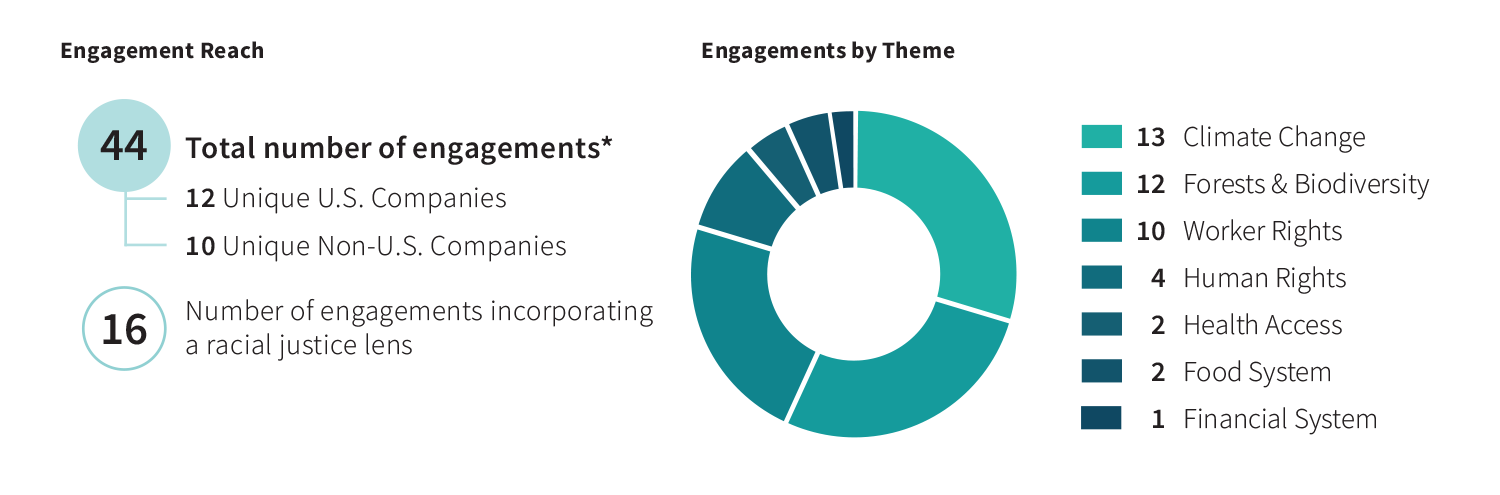
We meet with company executives to encourage stronger policies and practices on the issues that promote sustainability and can help their businesses succeed. In alignment with our Impact Investment Standards, we seek enhanced disclosures and more responsible business practices, and we aim to address emerging issues with companies. Through constructive dialogue, shareholder proposals, and proxy voting, we communicate our expectations to companies and promote universal values of fairness, equality, justice, and respect for human rights, while contributing to ecological sustainability and climate resilience. We do this work seeking positive impacts for people, planet, and profit. Read more at domini.com/engagement
*Includes engagements with non-corporate entities and multiple engagements with individual companies.
Encouraging Corporate Investment in the Climate Transition
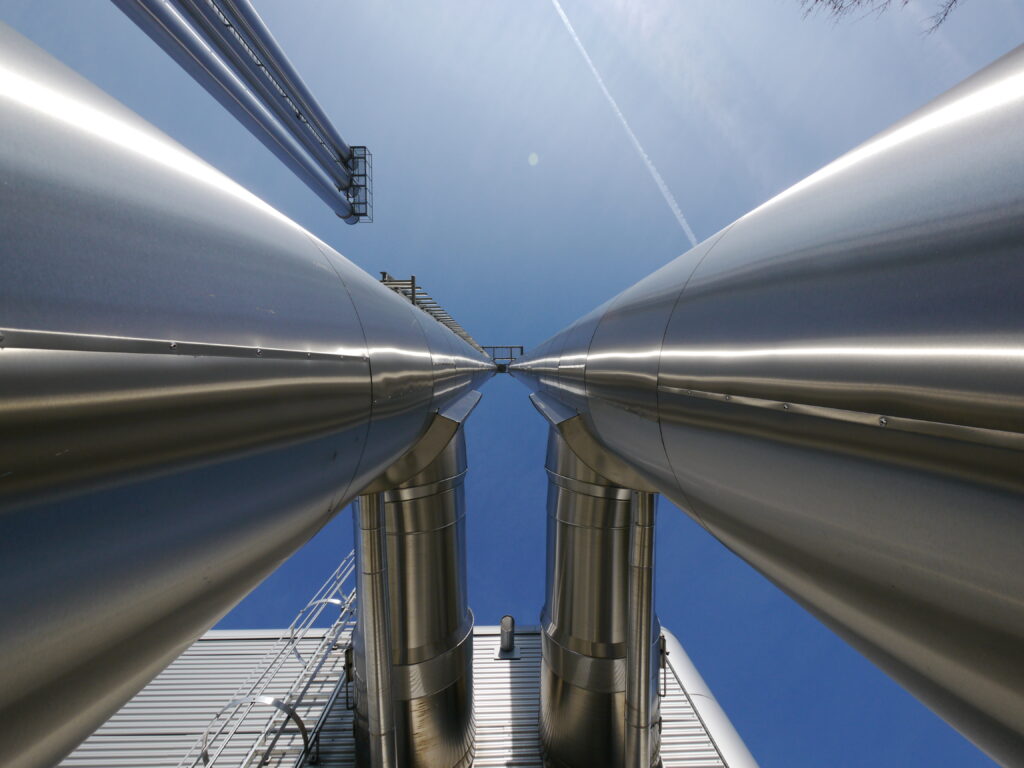
Together with ShareAction, we joined a group of investors to meet with Linde, a multinational company that produces industrial gases like oxygen, nitrogen, hydrogen, and argon for end markets including chemicals and energy, electronics, healthcare, and mining. Our dialogue focused on strategic opportunities for Linde to reduce its climate impact. It operates energy-intensive plants, mostly fueled by natural gas, which split apart molecules into different gases. Electrification of the company’s production facilities can help reduce these emissions, while also cutting costs and creating efficiencies. Additional renewable energy procurement for these facilities, would not only bring additional clean energy onto the grid, but also help Linde meet its science-based target to reduce absolute scope 1 and 2 emissions by 35% by 2035.
Linde plans to invest over $3 billion in internal decarbonization initiatives by 2035, primarily focused on investment in carbon capture technology. We wanted to better understand how these investments and capital expenditures (CAPEX) would help to advance its climate strategy, whether they will be sufficient to achieve its emissions reduction targets, and the degree to which they are aligned with a 1.5°C scenario. We recommended that by linking the activities of its decarbonization plan with the allocation of its research and development (R&D) and CAPEX spending, Linde can help investors better understand how its climate transition strategy is being resourced, how its investments are contributing to emissions reduction, and what benefits the company will derive.
Investment Highlight: Domini Impact Equity Fund
Ford Motor Company is one of the largest automakers in the U.S., known for its trucks, SUVs, commercial vans, and cars. Since 2024, Ford has stepped up its electrification strategy and is actively expanding its lineup of affordable electric commercial vans, mid-size pickup trucks, and hybrid SUVs. The company plans to release its new commercial van next year, followed by two new electric pickup trucks in 2027. As part of its broader electrification strategy, Ford is also working to reduce the cost of electric vehicles by improving battery sourcing efficiency and localization. To support these efforts, the company is investing $5 billion to modernize key production facilities, including its plant in Louisville, KY where it will produce one of the new electric pickups, and its battery park in Marshall, MI where it will produce the lithium battery cells for these next-generation vehicles.
Working to Cement a Lower-Carbon Future for Building Materials

According to the United Nations Environment Program (UNEP), the processing of cement, the binding agent in concrete, is responsible for 7% of global carbon emissions. As concrete is the most widely used material in the building sector, with a well-developed supply chain, efforts to decarbonize cement production are challenging, but important.
We recently met with CRH, one of the leading manufacturers of cement and other building materials, to discuss its climate strategy. CRH has committed to reducing absolute emissions by 30% by 2030, a target validated by the Science Based Targets Initiative (SBTi). The company has also committed to achieving net zero by 2050, and it discloses eight strategies to help it achieve these goals, including increasing its use of lower-carbon recycled and alternative materials, improving energy efficiency, increasing procurement and investment in clean electricity, and developing next-generation technologies.
As cement is currently responsible for 87% of the company’s direct emissions, we are especially interested in strategies to reduce the carbon intensity of cement manufacturing. Clinker is a key component of cement, but its production is the most energy-intensive step in the process. CRH is working to reduce clinker content in its cement by substituting it with ground limestone and other fossil-fuel byproducts. In our dialogue with the company, we sought additional details on its plans to reduce clinker content, as well as how it is innovating to identify lower-carbon alternatives to fossil fuel-based feedstocks used in the production process.
As companies move from the target-setting phase to the implementation phase of their climate action strategies, we encourage them to disclose detailed transition plans aligned with standards and guidance issued by the International Sustainability Standards Board (ISSB) (i.e., IFRS S2 Climate-related Disclosures). For CRH, this would help to explain the proportionate role of each of its decarbonization strategies and the different timelines for implementation. For example, as of 2024, coal, petcoke, diesel, natural gas, and LPG collectively represented 62% of the CRH’s total energy consumption. We have encouraged the company to engage with its energy suppliers and work to increase its sourcing of renewable energy, prioritizing clean wind and solar over the biomass and waste-to-fuel sources that currently make up most of its alternative fuels. We also sought further clarification on how it is allocating an incremental $150 million annual capital expenditure to help understand how, if at all, these resources are helping to achieve its stated decarbonization goals and if current levels of investment are sufficient.
Investment Highlight: Domini Impact Equity Fund
Vulcan Materials Company is the largest U.S. producer of construction aggregates—primarily crushed stone, sand, and gravel—and a leading producer of aggregates-based construction materials, including asphalt and ready-mixed concrete. Vulcan has been at the forefront of developing low-carbon mix designs, and it continues to innovate by increasing the use of recycled asphalt, as well as implementing advanced water recycling systems at its quarries. In 2024, the company recycled 2.1 million tons of asphalt pavement and 1.7 million tons of concrete, reinforcing its role as an industry leader in circular construction practices
Climate Ambition and Action at Climate Week NYC

Each September, alongside a convening of the United Nations General Assembly, New York City is host to Climate Week NYC, which brings together influential business leaders, policymakers, and civil society representatives for a week of events focused on building momentum around climate action. Domini had an active presence at this year’s Climate Week, with team members participating in over 20 workshops, panels, and convenings focused on a wide range of important topics, including: food system transformation; mobility and the role of public transit; urban mining and circularity; climate action in the apparel sector and adaptation for workers; risks facing environmental human rights defenders in the mining sector; and combatting deforestation and investing in resilience. These spaces provide us with opportunities to learn about new tools and data, deepen our research process, and build collaborations with peers and across stakeholder groups.
This year’s Climate Week emphasized that maintaining ambition, driving innovation, learning from peers, and unlocking system-level solutions remain critical. Encouragingly, many countries around the world continue to level up their ambition, with over 100 countries announcing or reiterating national climate action plans ahead of the upcoming 2025 United Nations Climate Change Conference (COP30), which is set to take place in Brazil in November. As investors, we actively support a public policy environment that helps maintain market stability and foster innovation. We recently submitted a comment to the U.S. Environmental Protection Agency (EPA) on the importance of regulating greenhouse gases and maintaining what is known as the “Endangerment Finding,” which gives the government the authority to create appropriate rules and regulate emissions on the basis that greenhouse gases endanger public health and welfare. Regulating greenhouse gases and reducing emissions are not only critical for the long-term health and sustainability of our planet and global community, but also drives innovation that helps to fuel economic growth.
Investment Highlight: Domini Impact International Equity Fund & Domini Sustainable Solutions Fund
SSE is an electric utility company based in Scotland, serving customers in the UK and Ireland. In 2023, SSE announced a £40 billion (approximately $50 billion) investment in low-carbon energy infrastructure, including flexible power sources to back up the grid during periods of intermittent supply. It recently completed a 103-turbine onshore wind farm in Shetland that is expected to be the UK’s most productive wind farm, capable of powering up to 500,000 homes. The site began transmitting electricity to mainland Britain last year via a newly constructed 260 kilometer high-voltage subsea cable. The combined £1 billion investment highlights the strong potential for wind energy to help the UK meet its clean energy goals, and SSE is well positioned to support the nation’s decarbonization efforts. As an added economic benefit, these investments are also driving job creation, adding 3,500 jobs over two and a half years, with each new job estimated to generate four additional jobs across its supply chain.
Banks Addressing Deforestation Linked to Cattle in Brazil
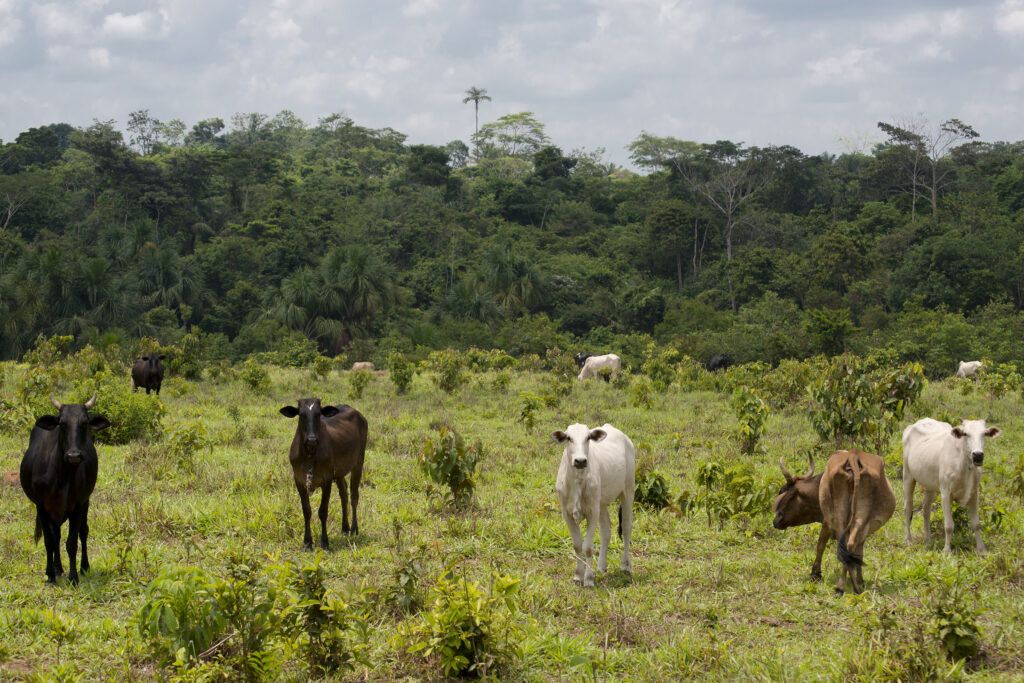

In March 2023, a group of 21 banks within the Brazilian Federation of Banks (Febraban), adopted a commitment aimed at combatting illegal deforestation linked to cattle production, which is a significant driver of deforestation in the Amazon. As part of the Investor Policy Dialogue on Deforestation (IPDD), we recently met with Febraban to encourage this work and learn more about this voluntary commitment which comes into full effect this December.
When lending money to slaughterhouses and meatpacking plants located in the Amazon, the participating banks will request that they meet certain requirements for tracing and monitoring of suppliers and certify that no illegal deforestation has occurred within their supply chain. Banks will monitor, report, and consider non-compliance plans. An ongoing challenge exists around monitoring and transparency of the beef supply chain, as it is difficult to trace cattle as it moves through the different stages of the production process, particularly for indirect suppliers. This effort by the banks will likely lead to further investment and development of traceability and monitoring systems so the customers can meet the banks’ requirements for credit access. The banks may look at information about the Rural Environmental Registry of the properties where the animals are located and cross reference it with relevant deforestation data, such as embargoes, protected areas, and human rights and labor conditions. During our call with Febraban, we sought to better understand potential challenges the banks may face, including challenges around monitoring, capacity building and impact communication, as well as plans for future expansion of the commitment.
Investment Highlight: Domini Impact Equity Fund & Domini Impact International Equity Fund
Banco Bilbao Vizcaya Argentaria (BBVA) is a Spanish multinational financial services company that offers traditional retail, wholesale, and investment banking services. BBVA is one of 150 financial institutions evaluated as part of Forest 500, a project of Global Canopy that looks at exposure to deforestation risk and the strength and implementation of companies’ policies on deforestation, ecosystem conversion, and associated human rights abuses. The latest report found that only 60 of the 150 financial institutions evaluated have adopted deforestation policies, and even among these, implementation remains limited, with only 27 actively screening and monitoring their portfolios for compliance with deforestation and conversion-free standards. BBVA was a standout, as one of only three institutions found to screen and monitor all seven of the highest-risk commodities (i.e., cattle products, coffee, cocoa, palm oil, rubber, soy, and timber products).
Promoting Transparency in Green Bond Markets
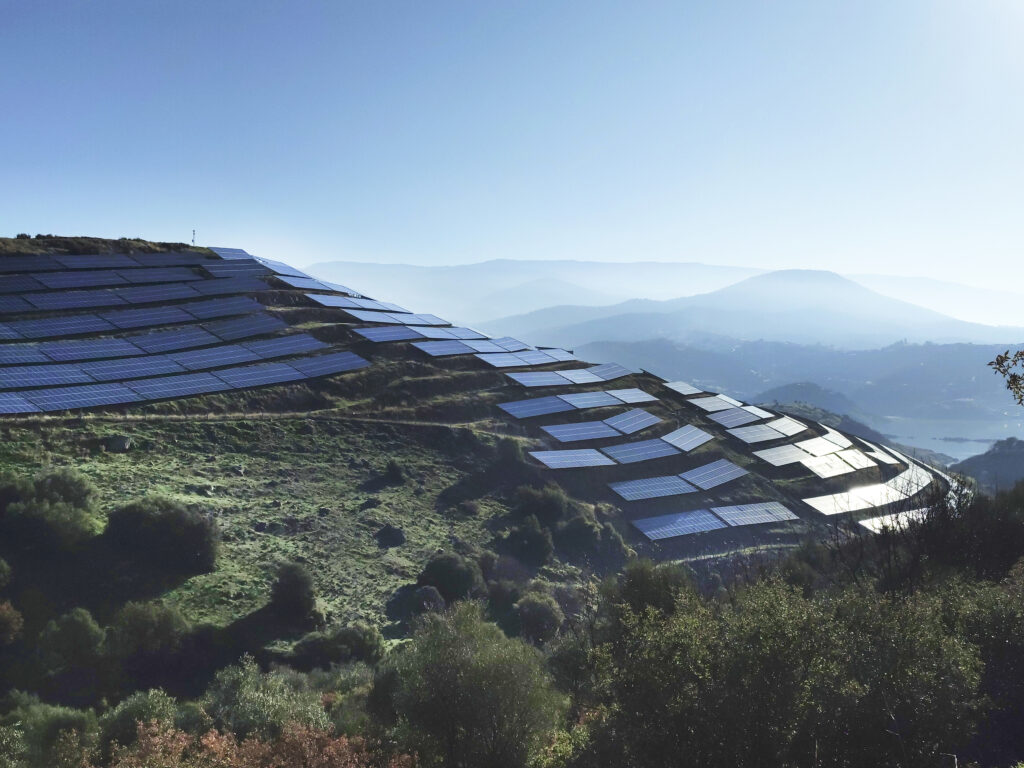

Over the last two decades, nearly $4 trillion of green bonds have been issued, helping to accelerate investment in renewable energy, green buildings, clean transportation, energy efficiency, and more. These bonds are important in helping to fill the financing gap of trillions of additional dollars needed to limit global temperature rise to 1.5°C by mid-century.
When we invest in green bonds, we do not rely on third-party labels; rather, we seek to independently evaluate how issuers plan to use the proceeds from the issuances, and we value transparency and accountability in terms of how the proceeds are ultimately allocated and what impacts they have. This quarter, we reached out to three issuers of green bonds currently held in the Domini Impact Bond Fund: Limak, Clearway Energy, and Greenko Group. We shared expectations around information we would like to see included in their impact reporting, such as data on the number of households served with clean energy, the number of jobs created or employees upskilled, specific energy efficiency targets, or biodiversity impacts of their projects and related mitigation measures.
We also asked each issuer specific questions about proceed allocations, monitoring and tracking systems, and environmental and social impacts. For example, with Limak, whose solar power and hydro power projects are helping the Republic of Türkiye (Turkey) reach its climate transition objectives, we asked about water impacts, women’s empowerment initiatives, and how the clean energy it generates reaches vulnerable communities. With Clearway Energy, which is developing wind and solar projects in the U.S., we asked about community engagement and impact assessment, outcomes related to affordability, and oversight of human rights risks in its raw material supply chain. With Greenko, in addition to requesting more disclosure on the projects financed and their associated climate outcomes, we also asked about the human rights standards applied to its projects and efforts to support access and affordability among vulnerable communities.
Investment Highlight: Domini Impact Bond Fund
Greenko Group is one of India’s leading renewable energy companies. The company has a net installed capacity of nearly 12 gigawatts (GW) from solar, wind, and hydro power sites across the country, with an additional 20 GW under construction and a goal to reach 50 GW by 2030. Greenko is committed to supporting India’s shift towards a carbon-neutral electricity mix by replacing fossil fuels with affordable renewable energy solutions that integrate digitization and storage solutions. To date, the company reports that it has helped to avoid the equivalent of over 59 million tons of carbon dioxide, including 9.4 tons avoided during its 2024 fiscal year. Proceeds of the Greenko green bond held by the Fund are used to finance expenditures related to the development and acquisition of wind and solar projects.
Domini Impact Bond Fund Theme Allocations*
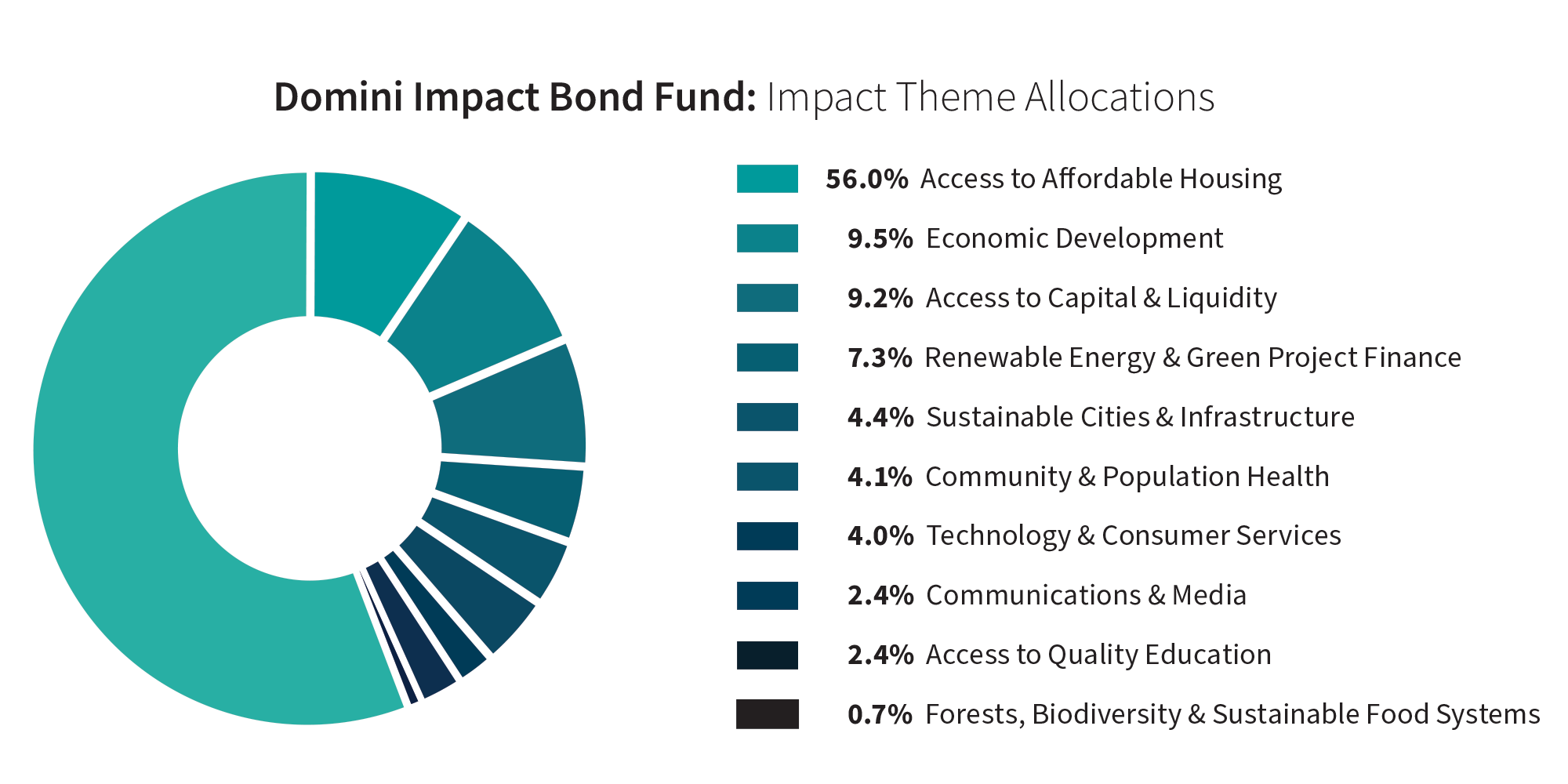
* Based on portfolio holdings as of 9/30/2025, excluding cash & cash equivalents, cash offsets, futures, swaps and options with the exception of short-term U.S. Agency bonds, which are reflected in this reporting. Numbers may not sum to 100% due to rounding. The composition of the Fund’s portfolio is subject to change. Visit domini.com to view a list of the Fund’s holdings.
Investing for a Net Zero Future: Our Commitment to Climate Action and Portfolio Decarbonization

As highlighted by the Intergovernmental Panel on Climate Change (IPCC) in its Sixth Assessment Report1, the pace and scale of climate action remain insufficient, and every increment of global warming brings more widespread and pronounced extremes. As a global community, climate change presents an unprecedented challenge with enormous and widespread environmental, social, and economic impacts. We already see daily reports of rising temperatures and extreme weather events contributing to increased drought, biodiversity loss, food insecurity, health crises, and displacement.
For investors, climate-related risks are material to both short- and long-term value creation and preservation, impacting portfolios across time horizons, asset classes, geographies, and sectors. As impact investors, we also recognize that climate change mitigation and adaptation are essential to achieving a future where universal human dignity and ecological sustainability can persist. In recognition of the urgent and systemic risks that climate change poses to our planet, society, financial markets, and portfolios, we have adopted a formal Investment Policy Statement on Climate Change, including a portfolio alignment and implementation strategy.
We have long considered the impacts and risks of climate change across all our investment strategies and decisions through the application of our firmwide Impact Investment Standards and industry-based key performance indicators, as well as through our proxy voting, company engagements, and public policy advocacy. The Domini Funds have never invested in coal and have been fully divested from fossil fuels for many years. We actively seek investments that promote long-term environmental sustainability, and we encourage companies across all sectors to address climate-related risks and support the low-carbon transition, including through time-bound transition strategies that incorporate science-based greenhouse gas (GHG) emissions-reduction and net-zero targets, physical climate risk assessments, just transition strategies that center workers and communities, and enhanced climate-related disclosures.
With our new climate policy, we are now further stepping up our commitment to decarbonizing our Funds’ portfolios and reducing their exposure to climate-related risks, including physical and transition risks. In accordance with well-established scientific consensus, we will seek to achieve net zero portfolio-level emissions across our portfolios by 2050 in order to align with global efforts to limit warming to 1.5°C above pre-industrial levels.
As we adopt holistic approaches to help reduce portfolio emissions and address climate-related risks and opportunities, we will prioritize the following strategies and frameworks that will inform and guide our investment research, engagement, and advocacy priorities:
- We will seek to maintain a system-level perspective that can help us to better understand complex challenges and how they affect portfolio companies and enhance our ability to assess risks by considering structural causes, rather than just symptoms, of specific challenges.
- We will seek to utilize intersectionality frameworks that can allow for more nuanced understanding of complex issues and help to uncover hidden risks and opportunities that might otherwise be overlooked.
- We will elevate consideration of business-model transformation, seeking to identify climate-aligned business models across industries, as well as best practices and specific pathways to such transformations.
It is our hope that these strategies will help the Domini Funds to achieve net zero and contribute to broader efforts to mitigate real-world GHG emissions and climate-related risks. In doing so, the Funds’ shareholders can help address the root causes of the climate crisis, support solutions for those who are most vulnerable, and help build a more just and equitable economy, all while driving sustainable long-term value creation.
Read our full Investment Policy Statement on Climate Change at domini.com/climate-policy.
1. IPCC, 2023: Climate Change 2023: Synthesis Report. Contribution of Working Groups I, II and III to the Sixth Assessment Report of the Intergovernmental Panel on Climate Change [Core Writing Team, H. Lee and J. Romero (eds.)]. IPCC, Geneva, Switzerland, 184 pp., doi: 10.59327/IPCC/AR6-9789291691647.
Annual Impact Report Now Available
Each quarter, we publish these Impact Updates to keep Domini Funds’ shareholders, as well as the broader investment community, informed about the ways that we work for change on their behalf. We view this as a key part of our commitment to transparency and an opportunity to demonstrate how investors can have a positive impact.
Building on that commitment, we recently published our annual Impact Report, which takes an even deeper dive into how we put the investment dollars of Domini Funds’ shareholders to work for change, from reducing exposure to climate-related risks and protecting biodiversity to championing workers’ rights and supporting equitable access to economic opportunity.

Domini News

Domini’s Mary Beth Gallagher Named Chair of Finance for Biodiversity Foundation Advisory Board
We are happy to share that Domini’s Director of Engagement, Mary Beth Gallagher, has been named the new Chair of the Advisory Board at the Finance for Biodiversity Foundation, which aims to support a call to action and collaboration between financial institutions to reverse nature loss this decade. Mary Beth has deep experience and expertise when it comes to engaging on biodiversity, human rights, and climate change issues, and she is committed to activating the finance sector to help protect and restore biodiversity: “I hope to continue to build connections and relationships among the community of finance professionals interested in the biodiversity agenda, tapping into the personal and professional motivation that brings each of us into this work. Together we’ll find opportunities to collaborate, drawing on each of our strengths, to develop and use the tools needed to understand these complex issues and protect and restore biodiversity.”
Join Us for Our Upcoming Webinar with FAIRR
On October 29, Domini and FAIRR will be co-hosting a webinar on the role regenerative agriculture can play in climate transition strategies. We’ll be exploring the issue of land-use change and degradation and the risks and dependencies it creates for companies in the food and agriculture sector. Speakers will examine why food systems transformation is needed, and the extent to which corporate regenerative agriculture programs are meeting this moment. By evaluating the practices and framing, we will explore the potential, as well as limitations, and delve into regenerative agriculture in the context of corporate transition plans that account for climate, nature, and human rights. Visit our website to register!
Sustainable Development Goals
In the eight years since United Nations member states adopted the 2030 Agenda for Sustainable Development, the Sustainable Development Goals (SDGs) have been widely embraced by governments, civil society organizations, companies, and investors. The SDGs aim to address broad global topics such as poverty eradication, food security, protection of forests, sustainable cities and economic growth, gender equality, and climate change. Engagement highlights in this report are flagged with SDGs they are helping support. Learn more at domini.com/sdg
